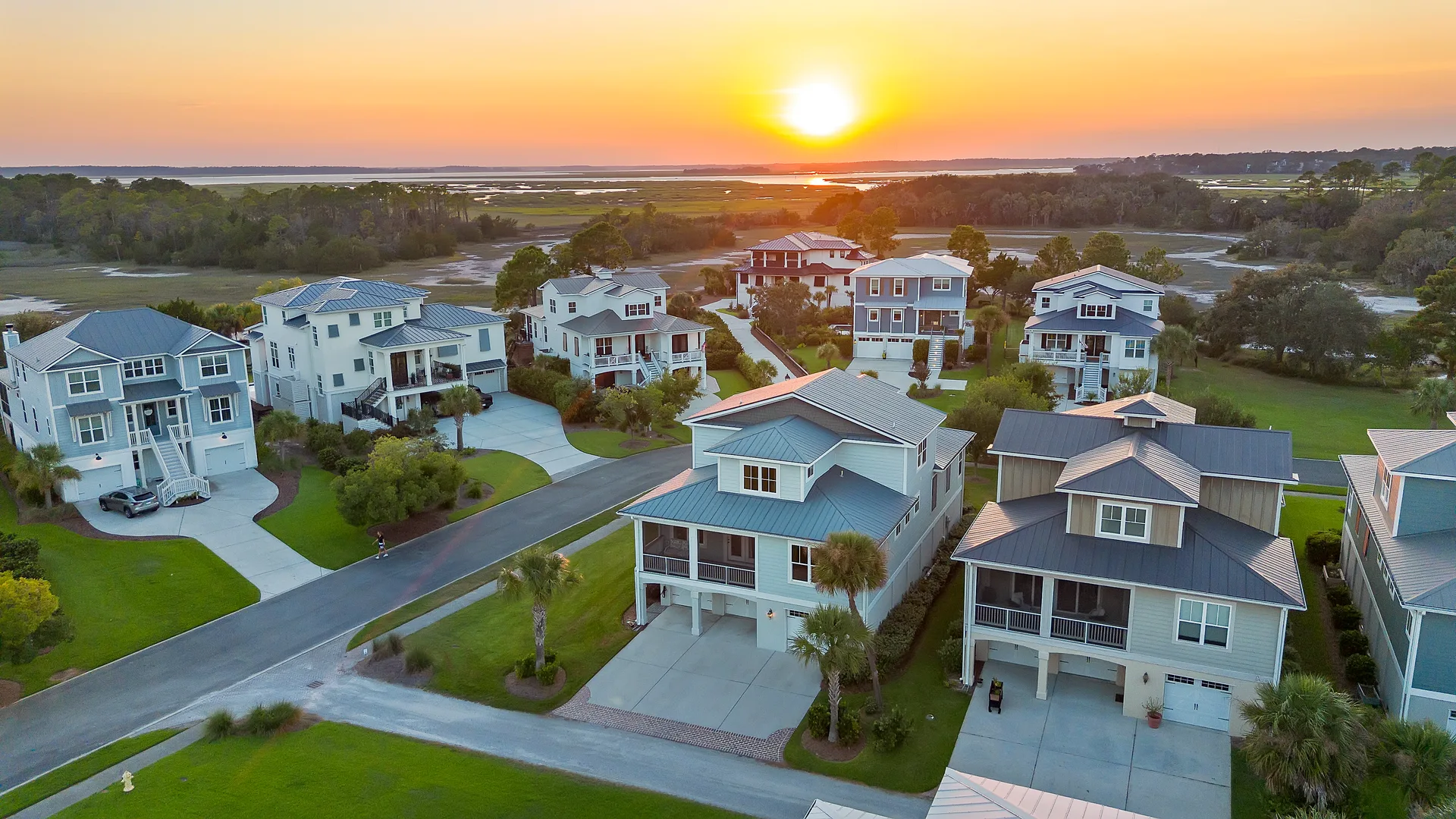
Before you fall in love with a house, it helps to fall in love with a place. The South Carolina Lowcountry is really a collection of different ways to live: quiet riverfront retreats, active golf and club communities, historic Old Town lanes, newer neighborhoods, and water-access enclaves of every shape. Buyers who choose the community first, then look at homes within it, tend to be far happier with the decision a few years in.
Here is how Kim helps clients think through that choice, and how you can do the same.
Start with the life you actually live
The right communities first conversation, not a browser search. Kim starts with how a home here will actually be used: as a full-time residence, a second home, a retirement base, or a place to settle into for good. Whether you want neighbors close at hand or total privacy, whether golf, boating, or water access belong at the top of the list, and how much of the year you expect to spend at the property. Those answers narrow the field faster than any generic wish list.
Homes can be remarkably similar. Communities rarely are. The club structure, the character of the roads, the way neighbors run into each other, and the value of a mature tree canopy versus a new-build street all change the experience of ownership more than most buyers expect.
Compare the full picture of ownership
Two communities can look alike on paper and behave very differently in practice. Kim walks clients through the complete picture of ownership: dues and what they actually cover, memberships that are required versus optional, initiation fees, assessments, and the everyday costs of keeping a home in this climate.
The closer view matters. A community with lower dues but deferred maintenance can carry real costs; a community with higher dues might bundle services beautifully. The goal is not the cheapest bill, it is understanding what every community buys.
Visit in person, more than once
Photographs and maps only tell so much. A visit reveals the pace of a place: how long the drive takes at the wrong hour, whether neighbors wave, what the dining and errands are actually like, and how a community behaves outside high season. Lowcountry living is genuinely seasonal, so it often pays to see a place twice, once in season and once off season.
If you are relocating from out of state, Kim helps plan visits so your time in the area counts, spent on the communities and properties that matter most.
Look for the intangibles
The part of the equation that only time reveals is the feel of a place: the depth of the community, the culture, the way people greet one another, and whether the neighborhood feels like home when you are standing in it. The best candidate communities often win on feel, not on paper. Kim's own relocation gives her real perspective on what helps a new place actually settle in as home.
The right community is the foundation of a happy Lowcountry home. If you are at the start of the search, a conversation is the most efficient first step. Kim would be glad to walk you through the differences, the questions worth asking, and the places that deserve a closer look.